Foods for Cognitive Function Fueling Your Brain

Foods for cognitive function are far more than just sustenance; they are the building blocks of a sharp, focused mind. This exploration delves into the fascinating relationship between nutrition and brain health, examining how the foods we consume directly impact cognitive performance, from memory and concentration to overall mental acuity. We’ll uncover the secrets to optimizing brainpower through dietary choices, exploring various dietary patterns and highlighting key nutrients that fuel cognitive function.
From understanding the impact of different macronutrient balances to discovering the power of superfoods and the importance of gut health, we’ll navigate the complex landscape of brain nutrition. We’ll also provide practical tips, delicious recipes, and actionable strategies to help you incorporate brain-boosting foods into your daily life, regardless of your dietary preferences or budget.
Keto and Low-Carb Diets and Their Impact on Cognitive Function
Ketogenic and low-carb diets, characterized by drastically reduced carbohydrate intake, have garnered significant attention for their potential effects on cognitive function. While both restrict carbohydrates, they differ in their macronutrient ratios, leading to varying impacts on the brain. Understanding these differences and the potential benefits and drawbacks is crucial for anyone considering these dietary approaches.The primary difference lies in the level of carbohydrate restriction.
Low-carb diets generally aim for a moderate reduction in carbohydrate intake, often replacing them with increased protein and healthy fats. Ketogenic diets, on the other hand, are much more restrictive, aiming for a state of ketosis where the body primarily burns fat for fuel instead of glucose. This metabolic shift is achieved through extremely low carbohydrate intake (typically under 50 grams per day), moderate protein intake, and high fat intake.
Comparison of Ketogenic and Low-Carb Diets on Cognitive Performance
Studies on the cognitive effects of ketogenic and low-carb diets present a mixed picture. Some research suggests that ketogenic diets can improve certain cognitive functions, particularly in individuals with epilepsy or specific neurological conditions. These improvements are often attributed to the increased production of ketone bodies, which can serve as an alternative energy source for the brain and may have neuroprotective properties.
However, other studies have reported no significant cognitive benefits or even mild cognitive impairment, particularly in the short term, potentially due to the initial adaptation period to ketosis. Low-carb diets, being less restrictive, generally show less dramatic, and often less consistent, effects on cognitive function. The impact varies significantly depending on the individual’s metabolic response, adherence to the diet, and the specific cognitive functions assessed.
Potential Benefits of Ketogenic and Low-Carb Diets for Brain Health
The potential benefits for brain health primarily stem from the altered metabolic state. Ketone bodies, produced during ketosis, are believed to be a more efficient fuel source for the brain than glucose, potentially improving energy metabolism and reducing oxidative stress. Some research also suggests that ketogenic diets may have anti-inflammatory effects, which could be beneficial for neurological conditions characterized by inflammation.
Furthermore, certain studies indicate a potential role in reducing the risk of neurodegenerative diseases, though more research is needed to confirm these findings. The potential benefits of low-carb diets are less pronounced and often overlap with the general benefits of a healthy, balanced diet, such as weight management which can indirectly benefit brain health.
Potential Drawbacks of Ketogenic and Low-Carb Diets for Brain Health
The “keto flu,” a common initial side effect characterized by fatigue, headache, and nausea, can significantly impact cognitive function. This is primarily due to electrolyte imbalances and the body’s adjustment to a new metabolic state. Furthermore, some studies have reported cognitive deficits, such as impaired memory and attention, particularly during the initial adaptation phase or with prolonged adherence to very restrictive ketogenic diets.
Nutrient deficiencies are also a potential concern, especially if the diet is not carefully planned. A lack of essential vitamins and minerals can negatively affect brain function. Finally, the restrictive nature of these diets can be difficult to maintain long-term, potentially leading to nutritional imbalances and compromised cognitive function due to unsustainable dietary practices.
Importance of Macronutrient Balance in Ketogenic and Low-Carb Diets for Cognitive Function
Maintaining a proper balance of macronutrients is crucial for optimal cognitive function on both ketogenic and low-carb diets. The ratio of fats, proteins, and carbohydrates must be carefully considered to prevent nutrient deficiencies and adverse cognitive effects. For ketogenic diets, the high-fat intake needs to be sourced from healthy fats (e.g., avocados, olive oil, nuts) to ensure adequate intake of essential fatty acids crucial for brain health.
Protein intake should be sufficient to maintain muscle mass and prevent muscle breakdown, while carbohydrate intake must remain extremely low to sustain ketosis. For low-carb diets, a balanced intake of protein and healthy fats is also vital, but the level of carbohydrate restriction is less stringent, allowing for more flexibility and potentially reducing the risk of nutrient deficiencies. Individual needs vary depending on factors such as age, activity level, and underlying health conditions, highlighting the importance of personalized dietary guidance from a registered dietitian or healthcare professional.
Superfoods and Supplements for Cognitive Enhancement
Maintaining optimal cognitive function is a multifaceted process influenced by various lifestyle choices, including diet. Beyond simply eating a balanced diet, incorporating specific superfoods and supplements can provide additional support for brain health and cognitive performance. These additions, however, should be viewed as complementary to a healthy lifestyle, not a replacement for it.
Cognitive Benefits of Selected Superfoods
Several foods are rich in nutrients linked to improved cognitive function. These “superfoods” aren’t magical cures, but their consistent inclusion in a balanced diet may contribute to overall brain health.Blueberries, for example, are packed with antioxidants, particularly anthocyanins, which combat oxidative stress and inflammation—both implicated in age-related cognitive decline. Studies suggest that regular blueberry consumption may improve memory and learning abilities.
Walnuts, another excellent choice, are rich in omega-3 fatty acids, vitamin E, and antioxidants. These nutrients contribute to brain cell health and may protect against cognitive impairment. Dark chocolate, in moderation, provides flavonoids, which possess antioxidant and anti-inflammatory properties, potentially benefiting blood flow to the brain and enhancing cognitive function. It’s important to choose dark chocolate with a high cocoa content (70% or more) to maximize these benefits and minimize added sugar.
The Role of Supplements in Supporting Brain Health
While a balanced diet is the cornerstone of brain health, certain supplements can play a supporting role in addressing specific nutritional gaps. However, it’s crucial to remember that supplements should not replace a healthy diet and should be taken under the guidance of a healthcare professional.
| Supplement | Benefits | Dosage | Potential Side Effects |
|---|---|---|---|
| Omega-3 Fatty Acids (EPA and DHA) | Support brain structure and function, reduce inflammation, may improve memory and cognitive performance. | Varies depending on individual needs and product; consult a healthcare professional. | Gastrointestinal upset (nausea, diarrhea), potential for bleeding interactions with blood thinners. |
| B Vitamins (B6, B9, B12) | Essential for neurotransmitter synthesis, support healthy nerve function, may help reduce the risk of cognitive decline. | Recommended Dietary Allowances (RDAs) vary depending on age and sex; consult a healthcare professional. | Generally well-tolerated, but high doses of some B vitamins can cause nausea or other digestive issues. |
| Vitamin D | Plays a role in brain development and function, may be associated with a reduced risk of cognitive impairment. | Recommended Dietary Allowances (RDAs) vary depending on age and sex; consult a healthcare professional. Blood tests can determine individual needs. | High doses can lead to hypercalcemia (high blood calcium levels). |
| Creatine | May improve memory and cognitive function, particularly in individuals with cognitive deficits. More research is needed. | Typically 3-5 grams per day. | Gastrointestinal upset, potential for weight gain in some individuals. |
Precautions Regarding Supplement Usage
Before starting any new supplement regimen, it is essential to consult a healthcare professional. They can assess your individual needs, consider potential interactions with existing medications, and determine appropriate dosages. Some supplements can interact negatively with certain medications, leading to adverse effects. For example, omega-3 fatty acids can increase the risk of bleeding in individuals taking blood thinners.
It is also crucial to purchase supplements from reputable sources to ensure quality and purity. Overdosing on certain supplements can be harmful, so following recommended dosages is crucial. Finally, it’s important to remember that supplements are not a magic bullet for cognitive enhancement; they work best in conjunction with a healthy lifestyle that includes regular exercise, adequate sleep, and stress management.
Intermittent Fasting and Its Effects on Cognitive Function
Intermittent fasting (IF), characterized by cyclical periods of eating and voluntary abstinence from food, has garnered significant attention for its potential impact on various aspects of health, including cognitive function. While research is ongoing, several studies suggest that IF may offer benefits for brain health, potentially improving memory, focus, and overall cognitive performance. However, it’s crucial to understand the different methods and potential risks before considering incorporating IF into your lifestyle.Intermittent fasting encompasses various approaches, each with its own schedule and potential effects on cognitive function.
The choice of method depends largely on individual preferences, lifestyle, and health status. Understanding these differences is vital for safe and effective implementation.
Methods of Intermittent Fasting and Their Potential Cognitive Impacts
The most common methods of intermittent fasting include the 16/8 method (fasting for 16 hours and eating within an 8-hour window), the 5:2 diet (consuming a normal amount of calories for five days and restricting calories to 500-600 for two non-consecutive days), and alternate-day fasting (consuming very few calories on alternate days). The 16/8 method, for example, is often easier to integrate into daily routines, while the 5:2 diet allows for more flexibility in daily caloric intake.
Studies suggest that these methods may improve cognitive function through various mechanisms, but more research is needed to definitively establish the optimal approach for cognitive enhancement. For instance, a study published in the journalCell Metabolism* demonstrated improvements in memory and learning in mice following intermittent fasting. The results, while promising, require further investigation in human subjects to confirm the findings and establish the long-term effects.
Mechanisms of Intermittent Fasting’s Influence on Brain Function
Several mechanisms are believed to underlie the potential cognitive benefits of intermittent fasting. One key factor is the increased production of brain-derived neurotrophic factor (BDNF), a protein crucial for neuronal growth, survival, and synaptic plasticity. IF may also promote autophagy, a cellular process that removes damaged components, improving neuronal health and function. Furthermore, intermittent fasting can influence levels of ketone bodies, which can serve as an alternative energy source for the brain, potentially enhancing cognitive performance, particularly during periods of fasting.
Research suggests that this shift in energy metabolism could be protective against age-related cognitive decline. For example, studies have shown that ketones can improve mitochondrial function, which is critical for energy production in brain cells.
Potential Risks and Benefits of Intermittent Fasting Considering Individual Health Conditions
While intermittent fasting shows promise for cognitive enhancement, it’s essential to acknowledge potential risks and consider individual health conditions. Benefits may include improved insulin sensitivity, weight management, and reduced inflammation, all of which can positively influence brain health. However, potential risks include headaches, fatigue, irritability, and difficulty concentrating, especially during the initial adaptation period. Individuals with certain medical conditions, such as diabetes, eating disorders, or those taking specific medications, should consult their healthcare provider before starting intermittent fasting.
Pregnant or breastfeeding women should also avoid IF. Moreover, the optimal duration and intensity of IF for cognitive benefits are still under investigation, highlighting the need for personalized approaches guided by healthcare professionals. For instance, a person with a history of hypoglycemia might experience severe adverse effects from IF, while a healthy individual may experience minimal to no side effects.
Nutrition for Athletes and Cognitive Performance
Maintaining peak physical and cognitive performance requires a carefully planned nutritional strategy, especially for athletes. The demands of intense training and competition place significant stress on the body, impacting both physical recovery and mental acuity. Adequate nutrition is crucial for replenishing energy stores, repairing muscle tissue, and supporting optimal brain function. This section will explore the specific nutritional needs of athletes and provide practical examples of meal plans and snacks designed to enhance both physical and cognitive abilities.
Nutritional Needs for Athletes Supporting Physical and Cognitive Performance
Athletes require a higher caloric intake than sedentary individuals to fuel their training and recovery processes. However, simply consuming more calories isn’t enough; the quality of those calories is paramount. A balanced diet rich in carbohydrates, proteins, and healthy fats is essential. Carbohydrates provide the primary fuel source for high-intensity exercise, while proteins are crucial for muscle repair and growth.
Healthy fats support hormone production and overall cellular function. Furthermore, micronutrients like vitamins and minerals play vital roles in energy metabolism, immune function, and cognitive performance. For example, iron deficiency can lead to fatigue and impaired cognitive function, while B vitamins are essential for energy production and neurotransmitter synthesis. Athletes should prioritize whole, unprocessed foods and minimize added sugars and unhealthy fats.
Example Meal Plans for Athletes
The following meal plans offer examples of balanced meals that support both physical and cognitive performance. Individual needs will vary based on factors such as training intensity, body composition, and individual metabolic rate. These plans should be adapted to suit personal circumstances and preferences. It is advisable to consult with a registered dietitian or sports nutritionist for personalized guidance.
- Breakfast (Example 1): Oatmeal with berries and nuts, providing complex carbohydrates for sustained energy, antioxidants from berries, and healthy fats from nuts. A side of scrambled eggs adds protein for muscle repair.
- Lunch (Example 1): Grilled chicken salad with quinoa and mixed greens, offering lean protein, complex carbohydrates, and essential vitamins and minerals. A light vinaigrette dressing keeps the meal healthy.
- Dinner (Example 1): Baked salmon with roasted vegetables (broccoli, sweet potatoes), providing omega-3 fatty acids crucial for brain health, lean protein, and vitamins.
- Breakfast (Example 2): Greek yogurt with fruit and granola, a good source of protein, probiotics for gut health, and carbohydrates for energy. The granola adds some healthy fats and fiber.
- Lunch (Example 2): Turkey and avocado sandwich on whole-wheat bread, offering lean protein, healthy fats, and complex carbohydrates. Adding lettuce and tomato provides extra vitamins and fiber.
- Dinner (Example 2): Lentil soup with whole-grain bread, a high-protein and fiber-rich meal providing sustained energy and essential nutrients.
Example Snack Options for Athletes
Snacks are important for maintaining energy levels and preventing performance dips between meals. These options provide a balance of carbohydrates, protein, and healthy fats to support both physical and mental function.
- Trail mix: A combination of nuts, seeds, and dried fruit provides sustained energy, healthy fats, and essential minerals.
- Fruit and yogurt: Provides carbohydrates, protein, and probiotics for gut health.
- Hard-boiled eggs: A portable and convenient source of protein.
- Whole-wheat crackers with avocado: Offers complex carbohydrates, healthy fats, and fiber.
- Protein smoothie: A quick and easy way to consume protein, carbohydrates, and essential nutrients.
Gut Health and Nutrition’s Influence on Cognitive Function
The intricate connection between the gut and the brain, often referred to as the gut-brain axis, is increasingly recognized as a crucial factor influencing cognitive health. This bidirectional communication pathway involves the nervous system, the immune system, and the endocrine system, all working together to impact brain function and behavior. A healthy gut microbiome, the diverse community of microorganisms residing in our digestive tract, plays a significant role in maintaining this delicate balance.The gut microbiota composition profoundly impacts brain function.
Trillions of bacteria, fungi, and other microorganisms residing in the gut produce a variety of neurotransmitters, such as serotonin and GABA, which directly influence mood, sleep, and cognitive processes. Furthermore, these microorganisms influence inflammation levels throughout the body, including the brain. Chronic inflammation is linked to neurodegenerative diseases like Alzheimer’s and Parkinson’s, highlighting the critical role of gut health in preventing these conditions.
Dysbiosis, an imbalance in the gut microbiome, is associated with a range of cognitive impairments, including anxiety, depression, and impaired memory.
The Gut-Brain Axis and Cognitive Health
The gut-brain axis is a complex network of communication pathways linking the gastrointestinal tract and the central nervous system. This intricate interplay is mediated by several mechanisms, including the vagus nerve (a direct neural connection), the immune system (via cytokines and other inflammatory mediators), and the endocrine system (through hormones produced in the gut). Maintaining a balanced gut microbiome is essential for optimal gut-brain axis function, as imbalances can trigger inflammatory responses that negatively affect brain health.
For example, studies have shown a correlation between increased gut permeability (“leaky gut”) and neuroinflammation, potentially contributing to cognitive decline.
Impact of Gut Microbiota Composition on Brain Function
The composition and diversity of the gut microbiota significantly influence cognitive function. A diverse and balanced microbiome, rich in beneficial bacteria, promotes the production of neurotransmitters and short-chain fatty acids (SCFAs) that have neuroprotective effects. Conversely, a dysbiotic microbiome, characterized by an overgrowth of harmful bacteria and a lack of beneficial bacteria, can lead to increased inflammation, oxidative stress, and impaired brain function.
This can manifest as difficulties with memory, attention, and executive function. Research suggests that specific bacterial species, such as
- Lactobacillus* and
- Bifidobacterium*, are particularly beneficial for cognitive health. Conversely, an overabundance of certain other bacteria has been linked to cognitive decline.
Foods Promoting a Healthy Gut Microbiome and Supporting Cognitive Function
A diet rich in prebiotics and probiotics is essential for nurturing a healthy gut microbiome. Prebiotics are non-digestible food ingredients that promote the growth of beneficial bacteria, while probiotics are live microorganisms that confer health benefits when consumed.A diet rich in diverse plant-based foods, including fruits, vegetables, and whole grains, is crucial for providing a wide range of prebiotics. Examples include:
- Bananas
- Onions
- Garlic
- Leeks
- Asparagus
- Whole grains (oats, barley, rye)
These foods provide the necessary substrates for beneficial bacteria to thrive. Incorporating fermented foods, such as yogurt, kefir, sauerkraut, and kimchi, introduces probiotics directly into the gut, further enhancing the microbiome’s diversity and functionality. Furthermore, a diet rich in omega-3 fatty acids, found in fatty fish like salmon and mackerel, and polyphenols, found in berries, tea, and dark chocolate, possesses anti-inflammatory properties beneficial for both gut and brain health.
These dietary components support a healthy gut-brain axis and contribute to improved cognitive function.
Eating for Energy and Focus: Foods For Cognitive Function
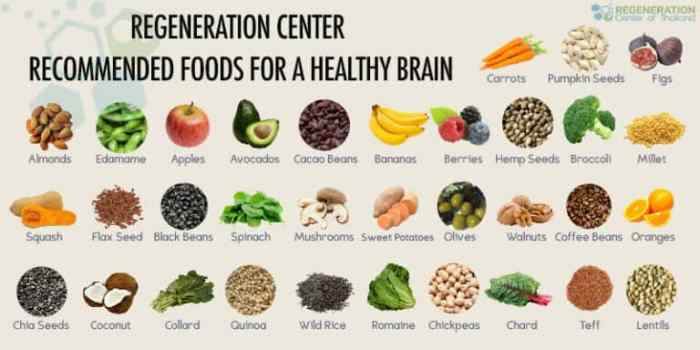
Maintaining consistent energy levels and sharp focus throughout the day is crucial for optimal cognitive function. Dietary choices play a significant role in achieving this, influencing not only our energy levels but also our ability to concentrate and perform mentally demanding tasks. By understanding the impact of specific nutrients and employing strategic meal timing, we can optimize our diets to support sustained energy and mental clarity.
Several dietary strategies can significantly enhance energy levels and improve focus. These strategies focus on consuming foods that provide a steady release of energy, avoiding blood sugar spikes and crashes, and ensuring adequate intake of essential nutrients vital for brain function.
Prioritizing Complex Carbohydrates
Complex carbohydrates, unlike simple sugars, are digested slowly, providing a sustained release of glucose into the bloodstream. This prevents the energy crashes often associated with refined carbohydrates and sugary foods. Good sources include whole grains like brown rice, quinoa, and oats; legumes such as lentils and chickpeas; and starchy vegetables like sweet potatoes and butternut squash. These foods provide a reliable energy source for the brain and body, promoting sustained focus and preventing mid-afternoon slumps.
Incorporating Lean Protein and Healthy Fats
Lean protein sources, such as fish, poultry, beans, and tofu, are essential for building and repairing tissues, including brain cells. They also help regulate blood sugar levels, contributing to stable energy levels. Healthy fats, found in avocados, nuts, seeds, and olive oil, are crucial for brain health and function. They support the production of neurotransmitters, chemicals that transmit signals between nerve cells, essential for concentration and cognitive function.
A balanced intake of protein and healthy fats helps to maintain satiety and prevent energy dips.
Strategic Meal Timing, Foods for cognitive function
Consuming regular, balanced meals and snacks throughout the day is crucial for maintaining stable blood sugar levels and preventing energy crashes. Skipping meals can lead to decreased concentration and impaired cognitive function. Regular meals provide a continuous supply of glucose to the brain, supporting sustained mental performance. A small, protein-rich snack mid-morning or mid-afternoon can also help to maintain energy and focus.
Hydration and Electrolyte Balance
Dehydration can significantly impair cognitive function, leading to fatigue, difficulty concentrating, and decreased mental performance. Staying adequately hydrated throughout the day is essential for optimal brain function. Electrolytes, such as sodium, potassium, and magnesium, also play a critical role in nerve impulse transmission and muscle function. Maintaining electrolyte balance, particularly through consuming electrolyte-rich foods or drinks, can further enhance energy levels and focus.
Sample Daily Meal Plan for Optimal Energy and Focus
This sample meal plan emphasizes whole, unprocessed foods that provide sustained energy and support cognitive function. Individual needs may vary, so adjustments should be made based on personal preferences and dietary requirements.
| Meal | Food Choices |
|---|---|
| Breakfast | Oatmeal with berries and nuts, a scrambled egg, or Greek yogurt with fruit and seeds. |
| Mid-morning Snack | A handful of almonds, a piece of fruit, or a small container of Greek yogurt. |
| Lunch | A large salad with grilled chicken or fish, quinoa or brown rice, and plenty of vegetables. Alternatively, a lentil soup with whole-grain bread. |
| Afternoon Snack | A small portion of trail mix, a piece of fruit with nut butter, or a hard-boiled egg. |
| Dinner | Salmon with roasted vegetables, chicken stir-fry with brown rice, or a vegetarian chili with whole-grain bread. |
Healthy Eating on a Budget
Maintaining a diet that supports cognitive function doesn’t require a hefty grocery bill. Many affordable, nutrient-rich foods readily available can significantly boost brain health without breaking the bank. By making smart choices and planning your meals effectively, you can nourish your brain while sticking to a budget.Prioritizing whole, unprocessed foods is key to maximizing nutritional value while minimizing cost.
These foods often contain a higher concentration of vitamins, minerals, and antioxidants compared to processed alternatives, which are frequently higher in price and lower in nutritional density. Strategic shopping and meal planning are also crucial for effective budget management.
Affordable Nutrient-Rich Foods for Brain Health
Beans, lentils, and other legumes are excellent sources of protein, fiber, and various brain-boosting nutrients like folate and iron. These are incredibly versatile and can be incorporated into soups, stews, salads, or eaten as a side dish. Oats are another budget-friendly option, providing complex carbohydrates for sustained energy and fiber for gut health, both important factors in cognitive function.
Furthermore, incorporating affordable fruits and vegetables like seasonal produce, frozen fruits and vegetables, and canned beans and tomatoes (choosing low-sodium options) offers a wide range of vitamins and antioxidants. Eggs are a powerhouse of choline, crucial for brain cell function and memory. Finally, nuts and seeds, while slightly more expensive, can be purchased in bulk and used sparingly to add healthy fats and nutrients to meals.
Sample Weekly Grocery List for Brain-Boosting Meals on a Budget
This sample list focuses on affordable staples that can be used in a variety of meals throughout the week. Remember to adjust quantities based on your individual needs and preferences. Prices will vary depending on location and season.
- 1 kg Lentils
- 1 kg Oats
- 1 dozen Eggs
- 1 kg Potatoes
- 1 kg Sweet Potatoes
- 1 head of Cabbage
- 1 large Onion
- 2 cans (low-sodium) diced tomatoes
- 1 bag Frozen Mixed Vegetables
- Bananas (a bunch)
- Apples (a bag)
- 1 can Tuna (in water)
- 250g Walnuts (in shell, to reduce cost)
These ingredients can be used to create a variety of simple, nutritious meals such as lentil soup, oatmeal with fruit, potato and vegetable stew, tuna salad with cabbage, and sweet potato and egg scramble. Remember to check for sales and utilize coupons whenever possible to further reduce costs. Planning your meals ahead of time can also help prevent impulse purchases and reduce food waste.
Weight Management and Cognitive Health
Maintaining a healthy weight is intrinsically linked to cognitive function. Excess weight, particularly abdominal obesity, is associated with an increased risk of developing conditions like type 2 diabetes, hypertension, and cardiovascular disease, all of which negatively impact brain health and can accelerate cognitive decline. Conversely, achieving and maintaining a healthy weight through appropriate dietary choices and lifestyle modifications can contribute significantly to preserving cognitive function throughout life.The relationship between weight and cognitive function is complex and multifaceted, influenced by various factors including diet quality, physical activity, and genetic predisposition.
Different dietary approaches significantly affect both weight and brain health. For example, diets high in processed foods, saturated fats, and added sugars are associated with increased inflammation, oxidative stress, and insulin resistance – all detrimental to brain function. In contrast, diets rich in fruits, vegetables, whole grains, and healthy fats provide essential nutrients that support brain health and can contribute to weight management.
Dietary Approaches and Their Effects on Weight and Brain Health
A balanced approach to weight management is crucial for optimal cognitive function. Diets that promote sustainable weight loss, such as the Mediterranean diet, are often rich in antioxidants, omega-3 fatty acids, and other nutrients beneficial for brain health. These diets typically emphasize whole, unprocessed foods, lean protein sources, healthy fats, and plenty of fruits and vegetables, while limiting processed foods, saturated and trans fats, and added sugars.
The Mediterranean diet, for example, has been linked to a reduced risk of cognitive decline and dementia in numerous studies. Conversely, diets characterized by extreme calorie restriction or nutrient deficiencies can negatively impact cognitive function, even if they lead to weight loss. For instance, severely restrictive diets can lead to nutrient deficiencies that impair brain function, potentially causing fatigue, difficulty concentrating, and mood changes.
A balanced approach that prioritizes nutrient density over mere calorie restriction is therefore essential.
The Importance of a Balanced Approach to Weight Management
Achieving and maintaining a healthy weight requires a holistic approach that encompasses dietary changes, regular physical activity, and stress management techniques. Simply focusing on weight loss without considering the nutritional quality of the diet can be counterproductive. For example, individuals who lose weight rapidly through crash dieting may experience temporary improvements in cognitive function, but these improvements are often unsustainable and may be accompanied by nutrient deficiencies that negatively impact long-term cognitive health.
A balanced approach emphasizes sustainable lifestyle changes that support both weight management and overall well-being, including cognitive function. This includes incorporating regular physical activity, managing stress effectively, and prioritizing sufficient sleep, all of which are known to positively impact brain health. Moreover, consulting a registered dietitian or healthcare professional can provide personalized guidance tailored to individual needs and health conditions.
Ultimately, optimizing cognitive function through diet is a journey of mindful choices and consistent effort. By understanding the intricate connection between nutrition and brain health, and by implementing the strategies and recipes discussed, you can empower yourself to cultivate a sharper, more focused, and resilient mind. Remember that a balanced approach, incorporating diverse nutrient-rich foods and considering individual needs, is key to unlocking your brain’s full potential.
Start fueling your brain today!
Frequently Asked Questions
What are some quick and easy brain-boosting snacks?
A handful of almonds or walnuts, a piece of fruit with a small amount of nut butter, or a small serving of Greek yogurt are all excellent choices.
Can supplements replace a healthy diet for cognitive function?
No. Supplements should be considered supportive additions to a healthy diet, not replacements. A balanced diet provides a wider range of nutrients essential for optimal brain health.
How can I incorporate these dietary changes if I have food allergies or intolerances?
Consult a registered dietitian or nutritionist to create a personalized plan that accommodates your specific dietary needs and restrictions while still maximizing cognitive benefits.
Are there specific foods I should avoid for better cognitive function?
Highly processed foods, excessive sugar, and unhealthy fats are generally associated with negative impacts on brain health. Moderation and mindful consumption are key.


