Weight Management Meal Plan A Comprehensive Guide
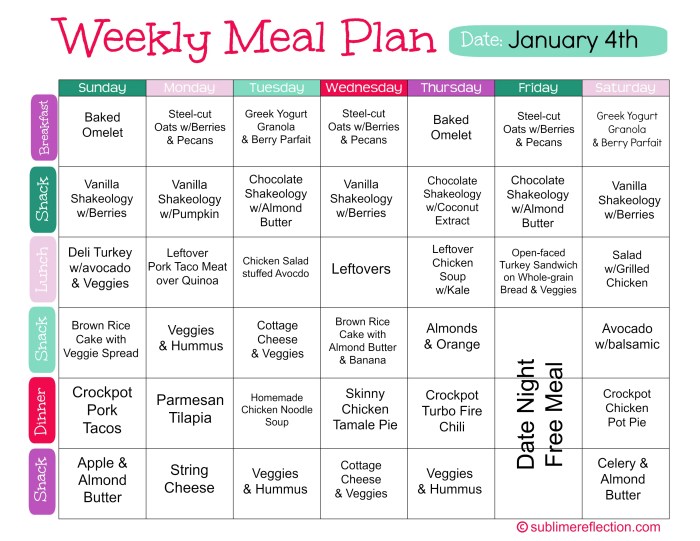
Weight Management Meal Plans offer a structured approach to achieving and maintaining a healthy weight. This guide delves into various strategies, from calorie counting and portion control to exploring popular diets like keto and vegan options. We’ll examine the science behind effective weight management, providing practical tips, delicious recipes, and considerations for diverse lifestyles and dietary needs. Whether you’re an athlete, a busy professional, or simply looking to improve your eating habits, this resource provides the tools and knowledge to embark on your weight management journey successfully.
We will cover a wide range of topics, including creating personalized meal plans, incorporating healthy recipes and cooking techniques, understanding the nuances of different dietary approaches (vegan, vegetarian, keto, low-carb), the role of superfoods and supplements (always consult a professional!), the benefits of intermittent fasting, and addressing the specific nutritional needs of athletes. We’ll also discuss crucial aspects like gut health, budgeting for healthy eating, and comparing popular weight-management diets for long-term success.
Healthy Eating on a Budget for Weight Management
Maintaining a healthy weight doesn’t require a hefty budget. With smart planning and strategic shopping, nutritious meals can be both delicious and affordable. This section will explore practical tips and strategies to achieve this balance, ensuring you can support your weight management goals without straining your finances.
Practical Tips for Healthy Eating on a Budget
Eating healthy on a budget requires mindful planning and shopping habits. Prioritizing whole, unprocessed foods while minimizing processed snacks and sugary drinks significantly impacts both health and cost. Focusing on seasonal produce, buying in bulk when appropriate, and utilizing leftovers effectively can also drastically reduce expenses.
Strategies for Reducing Food Waste and Maximizing Grocery Value
Reducing food waste is crucial for budget-conscious healthy eating. Careful meal planning, using up leftovers creatively, and properly storing food to extend its shelf life are essential. Understanding food labels, particularly expiration dates, helps avoid unnecessary discarding. Freezing excess produce or leftovers is also a smart way to prevent waste and extend the usability of ingredients.
Sample Weekly Budget-Friendly Meal Plan
The following meal plan provides a balanced intake of nutrients while remaining cost-effective. Remember that portion sizes should be adjusted to individual needs and caloric goals.
| Day | Breakfast | Lunch | Dinner |
|---|---|---|---|
| Monday | Oatmeal with berries and nuts | Large salad with chickpeas and a light vinaigrette | Lentil soup with whole-wheat bread |
| Tuesday | Scrambled eggs with spinach and whole-wheat toast | Leftover lentil soup | Chicken stir-fry with brown rice (using chicken thighs for affordability) |
| Wednesday | Yogurt with fruit and granola | Tuna salad sandwich on whole-wheat bread | Baked chicken breast with roasted vegetables (potatoes, carrots, broccoli) |
| Thursday | Peanut butter and banana sandwich on whole-wheat bread | Leftover chicken and roasted vegetables | Bean burritos with brown rice |
| Friday | Oatmeal with apple slices and cinnamon | Large salad with hard-boiled eggs and a light vinaigrette | Pasta with marinara sauce and vegetables |
| Saturday | Scrambled eggs with whole-wheat toast | Leftover pasta | Chicken and vegetable skewers with quinoa |
| Sunday | Pancakes made with whole-wheat flour and berries | Leftover chicken and vegetable skewers | Hearty vegetable stew with whole-wheat bread |
Affordable Sources of Protein, Fruits, and Vegetables, Weight management meal plan
Affordable protein sources include beans, lentils, chickpeas, eggs, and chicken thighs (often cheaper than breasts). Seasonal fruits and vegetables are generally more affordable than out-of-season options. Buying frozen fruits and vegetables can also be a cost-effective way to maintain a consistent supply of nutrients. Farmers’ markets and local grocery stores with discounted items can also be great resources.
Weight Management Diets
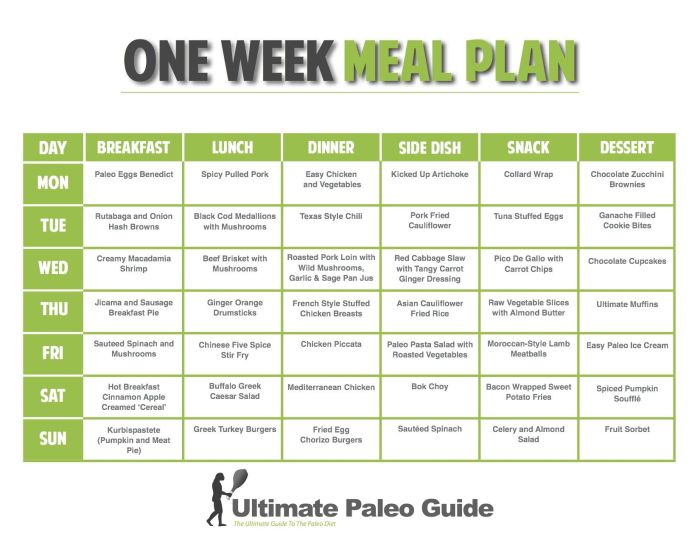
Choosing a weight management diet can feel overwhelming given the sheer number of options available. Understanding the core principles and potential benefits and drawbacks of various approaches is crucial for making an informed decision that aligns with individual needs and preferences. This section provides a comparative overview of popular weight management diets, focusing on their long-term sustainability.
Popular Weight Management Diets: A Comparison
The following table compares several popular weight management diets based on their core principles, advantages, and disadvantages. It’s important to remember that individual results may vary, and consulting a healthcare professional or registered dietitian before starting any new diet is always recommended.
| Diet Name | Core Principles | Pros | Cons |
|---|---|---|---|
| Mediterranean Diet | Emphasis on fruits, vegetables, whole grains, legumes, nuts, seeds, olive oil, and fish; limited red meat and processed foods. | Rich in antioxidants and healthy fats; associated with reduced risk of heart disease and other chronic illnesses; generally enjoyable and sustainable. | Can be expensive depending on access to fresh produce; requires some meal preparation. |
| DASH Diet (Dietary Approaches to Stop Hypertension) | Focuses on fruits, vegetables, whole grains, lean protein, and low-fat dairy; limits saturated and trans fats, sodium, and added sugars. | Effective in lowering blood pressure; promotes weight loss; improves overall cardiovascular health. | Requires careful meal planning and portion control; may be restrictive for some individuals. |
| Weight Watchers (Points System) | Assigns points values to foods based on their calorie, fat, and sugar content; encourages mindful eating and portion control. | Flexible and adaptable to individual preferences; provides tools and support for weight management; emphasizes balanced eating. | Can be expensive; requires tracking food intake; may be overly restrictive for some. |
| Ketogenic Diet | Very low carbohydrate intake, high fat intake, moderate protein intake; forces the body into ketosis, using fat for energy. | Can lead to rapid initial weight loss; may improve blood sugar control in some individuals. | Can be restrictive and difficult to maintain long-term; potential for nutrient deficiencies; may cause side effects like “keto flu.” |
Diet Suitability and Long-Term Sustainability
The suitability of a weight management diet depends heavily on individual factors such as health conditions, preferences, and lifestyle. For example, the Mediterranean diet’s emphasis on fresh produce might be less suitable for individuals with limited access to affordable fresh foods. Similarly, the highly restrictive nature of the ketogenic diet may not be sustainable for many in the long run.
The DASH diet, with its focus on readily available foods and manageable changes, often demonstrates better long-term adherence rates. Weight Watchers, with its flexible approach and community support, also offers a higher chance of long-term success for many individuals. Ultimately, a sustainable diet is one that an individual can comfortably adhere to over an extended period without feeling deprived or overwhelmed.
Successful long-term weight management often involves gradual lifestyle changes rather than drastic, short-term fixes.
Ultimately, successful weight management hinges on a holistic approach that considers individual needs, preferences, and long-term sustainability. This guide has provided a foundation of knowledge and practical strategies to help you navigate this journey. Remember that consistency and a balanced approach are key. While specific diets and meal plans can be helpful, the most effective strategy involves making sustainable lifestyle changes that support your overall health and well-being.
Consult with healthcare professionals or registered dietitians for personalized guidance tailored to your specific circumstances and health conditions.
Question & Answer Hub: Weight Management Meal Plan
What if I have allergies or intolerances?
Always adapt meal plans to accommodate your specific dietary restrictions. Consult an allergist or registered dietitian for personalized guidance.
How long does it take to see results?
Results vary depending on individual factors like metabolism, starting weight, and adherence to the plan. Consistency is key; be patient and focus on sustainable lifestyle changes.
Are weight-loss supplements necessary?
No, supplements are not necessary for effective weight management. Focus on a balanced diet and regular exercise. Consult a doctor before taking any supplements.
What if I slip up?
Don’t be discouraged by occasional setbacks. Acknowledge it, learn from it, and get back on track with your plan. Consistency over perfection is key.


